

Finding the right e-commerce platform can be tough. Shopify is a big player in the game, but it’s not the only choice out there. If you’re looking for something that might fit your needs better, there are plenty of alternatives to consider. In this article, we’ll take a look at some of the best Shopify alternatives for 2025. We’ll break down their features, pros, and cons, so you can find the best fit for your online store.
Key Takeaways
- Shopify isn’t the only option; many alternatives can suit different needs.
- Cost is a big factor; some platforms are more budget-friendly than Shopify.
- Customization options vary; some alternatives allow for more tailored designs.
- Specific business needs matter; certain platforms cater to niche markets better.
- Explore features carefully to find the best match for your e-commerce goals.
1. BigCommerce
BigCommerce is a pretty popular alternative to Shopify. It’s got a bunch of features that work for both small shops and bigger companies. It’s known for being able to grow with your business, having good SEO tools, and letting you sell on different channels. This makes it a solid choice if you’re looking to get your products out there. Some businesses have even transitioned from BigCommerce to Shopify due to scalability issues.
Scalability and Growth
BigCommerce is built to handle growth. Whether you’re just starting out or you’re already a big player, it has features that can keep up with your needs. It can manage huge catalogs and lots of transactions without slowing down, which is great if you’re planning to expand.
SEO and Marketing Tools
One of the best things about BigCommerce is its SEO. It gives you tools to help people find you on search engines, which is super important for getting traffic and making sales. Plus, it has marketing tools to help you connect with your audience.
Multi-Channel Selling
Selling on more than one platform is key these days. BigCommerce lets you sell on places like Amazon, eBay, and social media. This helps you reach more customers and get more sales.
BigCommerce is a strong contender because it allows businesses to reach customers on various platforms such as Amazon, eBay, and social media. This feature helps maximize sales opportunities and expand your reach. It is designed to grow with your business, offering features that scale with your needs, handling large product catalogs and high transaction volumes without compromising performance.
2. WooCommerce
WooCommerce is a solid pick if you’re already in the WordPress world. It’s basically a plugin that turns your existing WordPress site into a full-blown online store. The cool thing is how much you can tweak it. There are tons of plugins and themes out there, so you can really tailor your store to fit exactly what you need.
Integration with WordPress
If you’ve already got a WordPress site up and running, WooCommerce is a no-brainer. It just slots right in. You don’t have to start from scratch or move everything over to a new platform. It’s super handy if you’re already comfortable with WordPress and its whole ecosystem.
Customization and Flexibility
WooCommerce is all about options. You can change pretty much anything you want. Want a different layout? No problem. Need some extra features? Just grab a plugin. This level of control is great if you have specific needs or want your store to really stand out.
Community and Support
There’s a huge community of WooCommerce users and developers out there. That means if you run into a problem, chances are someone else has already figured it out. There are forums, tutorials, and tons of resources to help you along the way. Plus, all those plugins are built and supported by someone, so you’re not totally on your own.
WooCommerce is a great option if you want a lot of control over your store and are already familiar with WordPress. It might take a bit more work to set up than some other platforms, but the flexibility is worth it for many people.
3. Wix
Wix is pretty well-known for its website builder that’s easy to use, and the eCommerce part is much the same. If you want a simple way to get your online store up and running, Wix is a good choice because it has a drag-and-drop interface that’s intuitive. It also has a bunch of templates and design options, so making a good-looking shop is pretty easy.
User-Friendly Interface
One of the best things about Wix is how easy it is to use. You can drag and drop stuff to design your store, and you don’t need to know a lot about tech stuff. This makes Wix eCommerce a good option if you’re a small business or just starting out and want to get online fast.
Design Flexibility
Wix gives you a lot of templates and design choices, so you can make an online store that looks great. No matter if you’re selling clothes, art, or services, Wix has the tools to make a store that fits your brand.
App Market and Extensions
The Wix App Market has a ton of extensions that can make your online store better. These apps can help you do all sorts of things, from marketing to managing your inventory, so you can customize your store to fit what you need.
Wix is a solid platform, but it’s not perfect. It’s worth checking out other options to see what fits best. Think about what you need for your business and how each platform stacks up. Don’t just jump in without looking around first.
4. Squarespace
Squarespace is known for its focus on design and user-friendliness. It’s a great option if you want a visually appealing website with some e-commerce capabilities. It’s not as robust as Shopify for large, complex online stores, but it’s perfect for smaller businesses or individuals who prioritize aesthetics. Squarespace offers a seamless integration of website and e-commerce functionalities.
Squarespace’s editor is easier to use than Shopify, giving you lots of freedom when tweaking your store’s pages. I also love the grid framework provided by Squarespace, since this helps you align elements and sections.
Here are some of the things that make Squarespace stand out:
- Stunning Design Templates: Squarespace has over 150 templates to choose from, which I could filter by industry type, such as “Photography” or “Restaurants.” I’m always impressed by the quality and freshness of Squarespace’s templates and think they’re a great starting point for any business.
- Seamless Website Integration: Squarespace provides an all-in-one solution that integrates website and e-commerce functionalities. This integration ensures a smooth user experience, both for businesses managing their store and customers browsing products.
- Built-in Marketing Tools: Squarespace Commerce includes built-in marketing tools that help businesses reach their audience. From email campaigns to social media integration, these tools make it easier for businesses to engage with customers and drive sales.
Squarespace’s high-quality templates and impressive scheduling tools make it a better e-commerce website builder for creatives and service-based businesses. While Shopify’s designs are incredible for stores, I’m always pretty disappointed to see a limited range of free options, whereas all of Squarespace’s templates are free.
Squarespace has some of the best booking tools on the market with its Acuity Scheduling tool. For an additional cost, you can create new appointment types, set your business availability, and manage your bookings from your Squarespace dashboard.
Squarespace’s e-commerce plans are cheaper overall than Shopify’s and you get a lot of functionality for the price you pay. You can sell unlimited products from just $23 per month, whereas Shopify’s cheapest plan will set you back $29 per month.
5. Weebly
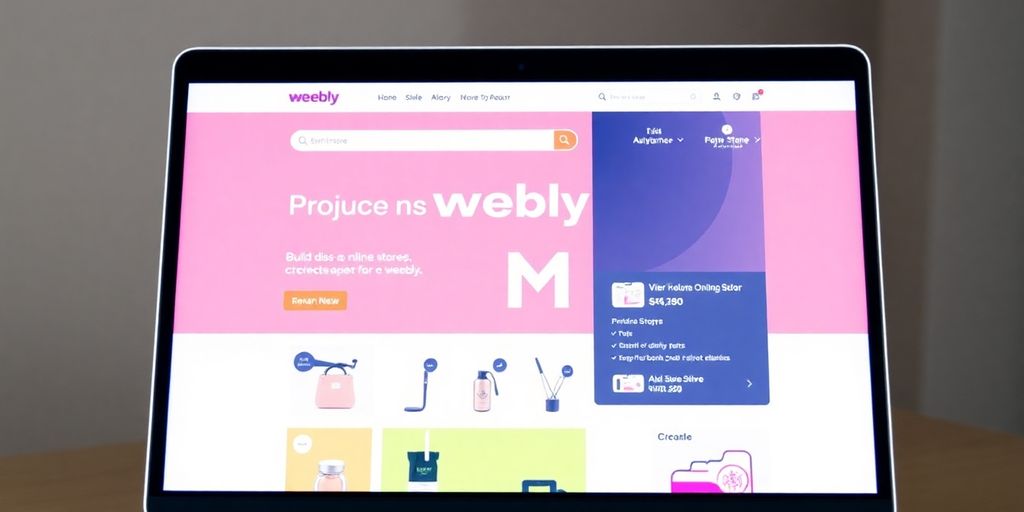
Weebly, which is now part of Square, is known for being super easy to use. It’s a solid pick if you’re a small business owner or just starting out and want to get your online store up and running without a ton of fuss. It’s all about simplicity.
- Easy to use drag-and-drop interface.
- Good for basic e-commerce needs.
- Mobile-optimized designs.
Weebly is great if you don’t want to spend a lot of time learning a complicated system. It’s pretty straightforward, and you can get a decent-looking store up quickly. However, if you need advanced features or a lot of customization, you might find it a bit limiting.
One of the best things about Weebly is its integration with Square. This makes handling payments a breeze. Plus, they have mobile-friendly templates, so your store will look good on any device. If you’re looking for a simple website builder that won’t break the bank, Weebly is worth checking out.
6. Magento
Magento is a pretty powerful open-source platform, but it’s really for businesses that have specific needs and some serious tech skills. It lets you customize almost anything and can handle a lot of traffic, so it’s a good choice for bigger companies that want to really make their e-commerce solutions their own.
Magento offers unparalleled flexibility for customization.
Think of it this way: you can tweak almost anything to fit exactly what you need. It’s like having a custom-built race car instead of a regular sedan. But, like a race car, you need someone who knows how to drive it. If you’ve got the technical know-how, Magento can be a game-changer. If not, you might be better off with something simpler.
Magento is designed to handle large-scale operations. Its robust infrastructure supports extensive product catalogs and high transaction volumes, making it ideal for large enterprises with complex e-commerce requirements.
7. PrestaShop
PrestaShop is an open-source e-commerce platform, which means you can download and use it for free. It’s known for its flexibility and the level of customization it offers. This makes it a solid choice if you have specific needs that aren’t met by more straightforward platforms.
Extensive Customization Options
Because PrestaShop is open-source, you have a lot of control over how your store looks and functions. You can tweak the code to fit your exact requirements. This is great if you have developers on your team or are comfortable hiring them. It’s not as simple as drag-and-drop, but the possibilities are pretty much endless. If you need to modify the platform to suit their specific needs, PrestaShop is a good option.
Active Community and Support
One of the big advantages of using PrestaShop is its community. There are tons of users and developers who contribute to the platform, offering support and creating modules to extend its functionality. If you run into a problem, chances are someone else has already solved it. This community support can be a lifesaver, especially when you’re just starting out.
Flexible Module System
PrestaShop uses a module system, which lets you add extra features to your store. Think of modules as apps that you can install to do things like integrate with payment gateways, add marketing tools, or improve SEO. This makes it easy to expand your store’s capabilities without having to write code from scratch. It’s a really handy way to tailor your e-commerce experience.
PrestaShop is a powerful platform, but it’s not necessarily the easiest to use. It requires some technical knowledge to get the most out of it. If you’re not comfortable with code or don’t have access to a developer, you might find it a bit overwhelming. But if you’re willing to put in the time and effort, it can be a great solution for building a unique and feature-rich online store.
8. Volusion
Volusion is an e-commerce platform that’s been around for a while, and it’s known for being pretty straightforward. It’s designed to help you get an online store up and running without needing a ton of technical skills. It’s got a decent set of features, but it might not be the flashiest option out there.
One thing that’s cool about Volusion is that they don’t charge transaction fees. That can be a big deal if you’re processing a lot of sales. They also have a site editor that lets you customize your store, and they offer various marketing tools to help you promote your products. However, some users have mentioned that their customer support is tiered, which means you might not always get the fastest help depending on your plan.
Here are a few things to consider about Volusion:
- It’s relatively easy to use, which is great if you’re not super tech-savvy.
- No transaction fees can save you money in the long run.
- They offer tools for SEO and social media, which can help with marketing.
Volusion is a solid choice if you want a no-frills e-commerce platform that gets the job done. It might not have all the bells and whistles of some other platforms, but it’s reliable and can be a good option for small to medium-sized businesses. Just be sure to check out their customer support options to make sure they fit your needs. Consider how integrated marketing tools can help your business grow.
9. 3dcart
Okay, so 3dcart… or should I say, Shift4Shop? Yeah, it went through a name change. Anyway, it’s been around for a while, and it’s trying to be a solid option for online stores. Let’s see what it’s all about.
Comprehensive E-Commerce Tools
Shift4Shop (formerly 3dcart) tries to give you everything you need right out of the box. That means inventory stuff, SEO tools, and all the basic things you’d expect. It’s like they’re trying to be a one-stop shop, which can be good if you don’t want to mess around with a bunch of add-ons.
Competitive Pricing
They’ve got different plans, which is nice. It means if you’re just starting out, you don’t have to pay for a bunch of features you won’t even use. And if you get bigger, you can upgrade. Makes sense, right? It’s all about finding a pricing structure that fits your budget.
Built-In CRM Capabilities
Okay, this is kind of cool. They’ve got CRM stuff built right in. That means you can keep track of your customers and try to sell them more stuff later. It’s all about that personalized marketing, you know? Here’s a quick rundown:
- Manage customer data.
- Personalize marketing efforts.
- Improve customer service.
Honestly, I think the CRM thing is a big plus. It’s one less thing you have to worry about setting up yourself. And if you’re serious about growing your business, you need to be thinking about customer relationships. It’s not just about making a sale; it’s about keeping them coming back for more.
10. Ecwid
Ecwid is a pretty cool platform because it lets you add a store to any website you already have. Instead of building a whole new site, you can just tack on e-commerce features to what’s already there. It’s super handy if you’re happy with your current site but want to start selling stuff online. Ecwid by Lightspeed Ecwid by Lightspeed is a great option.
One of the best things about Ecwid is how easy it is to integrate. It works with all sorts of website builders, like WordPress, Wix, and Squarespace. So, no matter what you’re using now, Ecwid should play nice with it. Plus, they even have a free plan if you’re just starting out and don’t want to spend a ton of money right away. You can test the waters and see if it’s a good fit before committing to a paid plan.
I remember when my friend Sarah wanted to start selling her handmade jewelry. She already had a blog on WordPress, and she was dreading the thought of building a whole new e-commerce site. Then she found Ecwid, and it was a game-changer. She was able to add a store to her blog in no time, and now she’s selling jewelry like crazy. It’s a great option if you want to keep your existing website and just add e-commerce features.
11. Shopify Plus
Shopify Plus is basically Shopify, but on steroids. It’s designed for high-volume businesses and enterprises that need more power and flexibility than the standard Shopify plans offer. Think of it as the VIP section of the e-commerce world. It’s got all the features of Shopify, plus a whole lot more, but it comes with a significantly higher price tag.
Shopify Plus is for businesses that have outgrown the regular Shopify platform. It offers advanced features, dedicated support, and the ability to handle massive sales volumes. If you’re doing serious numbers and need a platform that can keep up, Shopify Plus might be the way to go.
Here’s a quick rundown of what makes Shopify Plus different:
- Higher bandwidth and processing power: Handles large traffic spikes without crashing.
- Dedicated account manager: Get personalized support and guidance.
- Advanced customization options: More control over the look and feel of your store.
- Automation tools: Streamline workflows and improve efficiency.
Basically, if you’re a big player in the e-commerce game, Shopify Plus is worth considering. It’s not cheap, but it can help you scale your business and stay ahead of the competition. It’s a serious investment for serious businesses.
12. Selz

Selz was once a notable e-commerce platform, but things have changed. Amazon acquired Selz, and as a result, they are no longer accepting new users. This leaves many people looking for alternatives. It’s a shame because Selz offered some cool features, but the acquisition means it’s time to explore other options.
While Selz is no longer an option for new users, the e-commerce landscape is full of platforms ready to help you build your online store. Don’t be discouraged by this change; instead, see it as an opportunity to find an even better fit for your business needs.
Here are some things to consider when looking for a new platform to replace Selz:
- Ease of use: How simple is it to set up and manage your store?
- Pricing: What are the monthly fees and transaction costs?
- Features: Does it offer the tools you need, like inventory management and marketing integrations?
13. GoDaddy
GoDaddy is often seen as a more straightforward alternative to Shopify, especially for those who prioritize ease of use and social media integration. It’s a solid choice if you’re not dealing with a huge inventory or super complex needs. I think it’s great for beginners.
GoDaddy really shines when it comes to social media tools. You can use AI to create posts, schedule content, and get insights on the best times to post. It’s also pretty affordable, which is always a plus. It’s much cheaper than Shopify when it comes to its pricing. Plus, GoDaddy has a free plan, which is a great starting point to build your online store and get familiar with the platform ahead of upgrading.
GoDaddy favors simplicity over advanced functionality, so it isn’t the most suitable for complex inventories or large businesses. However, GoDaddy’s social marketing tools are a real standout feature, and I think this is where it really shines in comparison to Shopify. So, if your business is focusing on customer engagement and product promotion, GoDaddy could be worth testing for yourself.
Here are some things that make GoDaddy stand out:
- Simple to use: GoDaddy’s editor is easy to understand, unlike Shopify’s which can look a little scary to beginners.
- GoDaddy Airo business support: You can depend on GoDaddy’s AI tool to help boost your online presence and support you with essential small business tasks. For example, you can ask Airo to generate product descriptions, design a business logo, carry out SEO basics, and even create email marketing campaigns.
- Social media tools: GoDaddy has really impressed me during this year’s testing because of its improved social media features. You can grow your business on social media by using AI to create social media posts from scratch, schedule content in the social media calendar, and gain valuable insights directly from GoDaddy about good days to post and important events to remember.
14. Hostinger
Hostinger is an interesting option if you’re looking for something different from Shopify. It’s not specifically designed for online stores the way Shopify is, but it can definitely work, especially if you’re on a tight budget. I think it’s the easiest ecommerce website builder I’ve tried. The editor is simple, and setting up an online store is pretty straightforward, thanks to their AI tools.
One of the biggest advantages is the price. Hostinger has some of the cheapest starting prices if you want to sell online. Sure, the features might not be as extensive as what you get with Shopify, but Shopify’s starting plan is way more expensive. If you’re just starting out and don’t want to spend a ton of money, Hostinger is worth considering.
Here’s a quick look at what you can expect:
- Easy to use website builder.
- Affordable pricing plans.
- AI-powered tools to help you get started.
Hostinger might not have all the bells and whistles of Shopify, but it’s a solid choice if you’re looking for a simple and affordable way to get your online store up and running. It’s especially good for beginners who don’t want to get overwhelmed by complicated features.
However, there are some downsides. Hostinger doesn’t have an app market like Shopify, so you’re limited to the tools that come built-in. Shopify’s app store has thousands of integrations that let you add extra features, like email marketing and advanced shipping options. With Hostinger, what you see is what you get. If you need a lot of extra functionality, consider other options.
Here’s a quick comparison of Hostinger and GoDaddy:
| Feature | Hostinger | GoDaddy |
|---|---|---|
| Starting Price | Low | Medium |
| Ease of Use | High | Medium |
| App Integrations | Limited | Limited |
15. Square Online
Square Online is a pretty interesting option, especially if you’re already using Square for your in-person sales. It’s like they took their payment processing and built an e-commerce platform right on top of it. Makes sense, right? The big draw is how well it integrates with Square’s other services.
Think about it: you can manage your inventory, sales, and payments all in one place. That’s a huge time-saver. Plus, if you’re doing pop-up shops or markets, it’s super easy to sync everything up. It’s not the most feature-rich platform out there, but for small businesses that want simplicity and integration, it’s worth a look.
I remember when my friend Sarah started her little bakery. She was using Square for her farmers market sales, and when she wanted to start selling online, Square Online was a no-brainer for her. She loved how everything was connected, and it saved her a ton of headaches.
Here’s a quick rundown of some pros and cons:
- Easy to set up and use
- Great integration with Square’s ecosystem
- Good for small businesses with simple needs
And some potential downsides:
- Limited customization options
- Not ideal for large or complex inventories
- Fewer advanced features compared to some competitors
If you’re looking for a straightforward way to enhance their online presence and you’re already in the Square ecosystem, Square Online is definitely worth considering.
16. Jimdo
Jimdo is another platform that’s been around for a while, and it’s known for its simplicity. It’s designed for people who want to get a website up and running quickly, without a lot of fuss. Think of it as the minimalist’s choice for website building.
Jimdo is a solid option if you need a basic online presence, but it might not be the best choice if you’re planning to scale up significantly or need advanced e-commerce features. Let’s take a look at some of the things that make Jimdo stand out:
- Ease of Use: Jimdo is incredibly user-friendly, even if you’re not tech-savvy. The drag-and-drop interface makes it easy to add and arrange elements on your pages.
- AI-Powered Builder: Jimdo uses an AI to help you create a website quickly. You answer a few questions, and it generates a design for you.
- Affordable Pricing: Jimdo offers several plans, including a free option with limited features. The paid plans are reasonably priced, making it accessible for small businesses and individuals.
Jimdo is great for getting a simple website online fast. It’s not packed with features, but it’s easy to use and won’t break the bank. If you need something more robust, you might want to look elsewhere, but for basic needs, it’s a solid choice.
One thing to keep in mind is that Jimdo’s customization options are somewhat limited. While the AI builder is convenient, it doesn’t offer the same level of control as some other platforms. If you’re looking for a lot of design flexibility, you might find Jimdo a bit restrictive. However, if you prioritize simplicity and speed, it’s definitely worth considering. For those who need a beginner-friendly platform, Jimdo is a good option.
17. SiteGround
I’ve been hearing a lot about SiteGround lately, especially in the context of hosting, but how does it stack up as a Shopify alternative? Well, it’s a bit of a different beast. SiteGround is primarily a web hosting provider, and while it doesn’t offer a dedicated, all-in-one e-commerce platform like Shopify, you can definitely use it to build an online store. It’s more of a DIY approach, which has its pros and cons.
One of the biggest advantages is the flexibility. You’re not locked into a specific platform’s features or limitations. You can choose your e-commerce software, like WooCommerce, and have full control over your store’s design and functionality. Of course, this also means you’re responsible for all the technical aspects, from setting up the server to managing security updates. It’s a bit like building a house from scratch versus buying one that’s already built.
Here’s a quick rundown of what you need to consider if you’re thinking about using SiteGround for your online store:
- Hosting Plan: You’ll need a suitable hosting plan that can handle the traffic and storage requirements of your store. SiteGround offers various plans, so choose wisely.
- E-commerce Software: WooCommerce is a popular choice, but there are others. Consider factors like ease of use, features, and available extensions.
- SSL Certificate: Essential for secure online transactions. SiteGround offers free SSL certificates with its plans.
- Technical Skills: Be prepared to get your hands dirty with some technical stuff. If you’re not comfortable with web development, you might need to hire someone.
SiteGround can be a good option if you want more control over your store and don’t mind the technical challenges. However, if you’re looking for a simple, hassle-free solution, a dedicated e-commerce platform like Shopify might be a better fit. It really depends on your needs and technical expertise. You can compare ecommerce hosting providers to see if SiteGround is the right fit for you.
Ultimately, the best choice depends on your specific needs and technical skills. If you’re comfortable with a more hands-on approach, SiteGround can be a powerful and flexible option. But if you prefer a simpler, more streamlined solution, you might be better off with a dedicated e-commerce platform.
18. Zyro
Okay, so here’s the deal with Zyro. It’s a website builder that used to be a pretty solid option, especially if you were looking for something simple and affordable. However, as of December 2023, Zyro has been discontinued and fully integrated into the Hostinger Website Builder Hostinger Website Builder. So, technically, it’s not really a standalone alternative to Shopify anymore.
Think of it like this: Zyro was a cool little app, and Hostinger decided to absorb it into their main platform. If you were a Zyro user, you’re now a Hostinger user, and all your stuff should have been migrated over. If you’re looking for a new website builder, you might want to check out Hostinger directly, since that’s where Zyro’s features now live.
It’s a bit of a bummer if you were specifically looking at Zyro, but on the bright side, Hostinger is a pretty reputable platform with a lot to offer. So, it’s not like your data vanished into thin air. It just moved to a new home.
Here’s a quick rundown of what Zyro used to be good at:
- Ease of use: It was known for its drag-and-drop interface, making it easy for beginners to build a website.
- Affordable pricing: Zyro offered some of the most competitive pricing plans in the market.
- AI tools: It had some interesting AI-powered tools, like a logo maker and a content generator.
But again, keep in mind that these features are now part of Hostinger. So, if you’re interested in any of that, head over to Hostinger and see what they’ve got. It’s all about finding the right fit for your needs, and there are plenty of options out there!
19. Big Cartel
Big Cartel is definitely worth considering if you’re an artist or maker looking to sell your stuff online. It’s built with creatives in mind, offering a simple platform that doesn’t overwhelm you with features you don’t need. It’s especially appealing if you’re just starting out and want to keep things straightforward. Big Cartel is tailored for artists and makers, offering a straightforward platform with no listing fees.
One of the biggest perks is the lack of listing fees. This can be a huge advantage when you’re trying to maximize your profit margins, especially if you’re selling unique creations. The platform is designed to meet the specific needs of creative entrepreneurs.
Here are some of the reasons why people choose Big Cartel:
- No listing fees, which is great for keeping costs down.
- A simple, intuitive interface that’s easy to navigate.
- Features designed specifically for artists and makers.
Big Cartel is a solid option if you want a platform that understands the unique challenges and needs of creative entrepreneurs. It’s not trying to be everything to everyone; it’s focused on providing a great experience for a specific niche, which can be a real advantage.
Big Cartel offers a comprehensive platform for online selling, including hosting services.
20. OpenCart
OpenCart is another open-source option that gives you a lot of control over your store. It’s known for being pretty customizable and scalable, which is good if you’re planning to grow. It’s got a user-friendly dashboard, and there are tons of extensions you can use to add features. I remember when I first tried it, I was a bit overwhelmed by all the options, but once I got the hang of it, it was pretty powerful.
Customizable Platform
OpenCart’s open-source setup means you can change almost anything you want. This is great if you have specific needs that other platforms don’t quite meet. You can tweak the code to add features or change the way things work. It’s like having a blank canvas for your online store.
Scalable Solution
This platform is built to handle growth. It can support a bunch of products and lots of transactions, so you don’t have to worry about your store crashing when things get busy. It’s a good choice if you’re expecting your business to get bigger. OpenCart is designed to support scalability for growing businesses.
Extensive Extensions Marketplace
OpenCart has a huge marketplace where you can find extensions to add all sorts of features to your store. Need a new payment gateway? Want to add some marketing tools? You can probably find an extension for it. These extensions can really help you make your store exactly what you want.
OpenCart is a solid choice if you like having control and want to be able to customize your store to fit your exact needs. It might take a little more work to set up than some other platforms, but the flexibility can be worth it.
21. Easy Digital Downloads
Easy Digital Downloads (EDD) is a WordPress plugin that transforms your website into a digital storefront. It’s specifically designed for selling digital products like ebooks, software, music, and graphics. If you’re already using WordPress, EDD can be a pretty straightforward way to start selling your digital creations. It’s not as all-encompassing as some other platforms, but its focus on digital goods makes it a solid choice for certain sellers.
EDD offers a simple setup for selling digital products, making it accessible for users focused on online sales. It is designed to streamline the process of managing digital goods, similar to platforms like Shopify.
Here’s what makes EDD stand out:
- WordPress Integration: Seamlessly integrates with your existing WordPress site.
- Digital Focus: Specifically designed for selling digital products.
- Extensions: Offers a variety of extensions to add more features.
EDD is a good option if you’re already comfortable with WordPress and need a simple way to sell digital products. It’s not the most feature-rich platform out there, but it gets the job done for many users.
22. Kartra
Kartra is another all-in-one platform that aims to give you everything you need to run your online business. It’s got landing pages, email marketing, video hosting, membership sites, and even a helpdesk. It’s designed to keep all your tools under one roof, which can be super convenient.
One of the things people like about Kartra is its focus on automation. You can set up complex sequences to automate your marketing and sales processes, which can save you a lot of time in the long run. However, some users find the interface a bit clunky and the learning curve can be steep. It might take some time to get used to all the features and how they work together.
Here’s a quick rundown of what Kartra offers:
- Landing Page Builder: Create high-converting landing pages with ease.
- Email Marketing: Send automated emails and build email lists.
- Membership Sites: Create and manage membership sites with different access levels.
- Video Hosting: Host your videos directly on Kartra.
Kartra can be a good option if you’re looking for an all-in-one platform and don’t mind spending some time learning the ropes. It’s especially useful if you want to automate a lot of your marketing tasks. Just be prepared for a bit of a learning curve and a potentially clunky interface.
23. ClickFunnels
ClickFunnels is all about, well, funnels! It’s designed to help you create sales funnels, which are basically step-by-step processes to guide your customers toward a purchase. It’s not just about having a website; it’s about crafting a specific path for your visitors to follow.
Think of it like this:
- Landing Page: Grab their attention.
- Sales Page: Show them the value.
- Order Form: Make it easy to buy.
- Upsell Page: Offer more goodies.
- Thank You Page: Confirm the purchase.
ClickFunnels aims to make this process as simple as possible, even if you’re not a tech whiz. It’s got templates, drag-and-drop builders, and all sorts of tools to help you build these funnels.
It’s worth noting that while ClickFunnels can be powerful, it can also be a bit pricey compared to some other options. So, it’s a good idea to weigh the costs against the potential benefits for your specific business needs. Also, some users find the focus on funnels a bit limiting if they need a more traditional website structure.
ClickFunnels also integrates with a bunch of other tools, like email marketing platforms and payment gateways. This means you can automate a lot of the sales process, from capturing leads to processing payments. If you’re looking for a platform that’s laser-focused on sales funnels and automation, ClickFunnels might be a good fit. For example, you can use Zapier webhooks to connect ClickFunnels with other apps.
24. ThriveCart
ThriveCart is a platform focused on conversion-optimized shopping carts. It’s designed to help you maximize sales with features like upsells, downsells, and order bumps. It’s a one-time payment model, which can be attractive compared to ongoing monthly subscriptions of some other platforms.
Here are a few things to consider about ThriveCart:
- It offers advanced features for maximizing order value.
- It integrates with a variety of marketing and payment tools.
- The one-time payment can be a significant upfront investment.
ThriveCart is a solid option if you’re looking for a powerful shopping cart solution with a focus on increasing conversions and order value. It might be a good fit if you’re comfortable with a one-time payment model and want advanced features for optimizing your sales funnel. You can automate ThriveCart with Zapier to improve your productivity automatically.
25. and more
Okay, so we’ve covered a bunch of the big names and some solid contenders in the Shopify alternative game. But the world of e-commerce platforms is HUGE. There are always new platforms popping up, or niche solutions that might be perfect for a very specific kind of business. Don’t be afraid to dig around and see what else is out there.
Here’s a quick rundown of some other options you might want to check out:
- Shift4Shop: This one’s interesting because it offers a free plan, but there’s a catch – you have to use their payment processor. If you’re already doing a high volume of sales, it could be a good deal.
- Big Cartel: If you’re an artist or maker selling a limited number of products, Big Cartel is worth a look. It’s simple, affordable, and geared towards creatives.
- Ecwid: Ecwid is cool because it’s more of a widget than a full platform. You can add it to an existing website, like a blog or social media page, to start selling stuff.
Remember, the "best" platform is the one that fits your needs. Think about what’s most important to you – pricing, features, ease of use, scalability – and then do your research. Don’t just jump on the bandwagon because everyone else is using a particular platform.
It’s also worth keeping an eye on platforms like GoDaddy for social marketing and other website builders that are constantly adding new e-commerce features. The landscape is always changing!
Wrapping It Up: Finding Your Perfect E-Commerce Fit
In conclusion, picking the right Shopify alternative really depends on what you need for your business. We’ve looked at a bunch of options, each with its own strengths and weaknesses. Some might be cheaper, while others offer more customization or specific features that could suit your niche better. It’s all about figuring out what matters most to you. Take your time, weigh the pros and cons, and don’t rush into a decision. The right platform can make a big difference in how smoothly your online store runs and how well it grows. So, do your homework, and choose wisely!
Frequently Asked Questions
What are some reasons to look for alternatives to Shopify?
People might want to find alternatives to Shopify because of costs, limited customization options, or specific business needs that Shopify doesn’t meet.
Is BigCommerce a good choice for e-commerce?
Yes, BigCommerce is a strong option for online stores. It offers many features that can help businesses grow.
How does WooCommerce work?
WooCommerce is a plugin for WordPress that lets you turn a regular website into an online store, making it flexible and customizable.
Can I build an online store with Wix?
Absolutely! Wix is user-friendly and allows you to create a website with an online store without needing to know coding.
What is the main benefit of using Squarespace?
Squarespace is known for its beautiful design templates, making it great for businesses that want an attractive online presence.
How does pricing compare among these alternatives?
Pricing varies widely among Shopify alternatives. Some are more affordable, especially for small businesses, while others may have higher costs but offer more features.